Jesus We Love Because He Loved Us Design Review
As a designer who has spent years translating digital files into tangible thread on fabric, I approach every new asset with a mix of excitement and skepticism. The market is flooded with Graphics that look stunning on a screen but fall apart under the needle. When I first opened the file for Jesus We Love Because He Loved Us, my goal was to determine if this design could survive the transition from a high-definition PNG to a physical finished product. This isn't just about pretty pixels; it is about how the message holds up when stitched onto a sweatshirt embroidery project or a delicate baby embroidery item.
First Impressions: Mood and Visual Weight
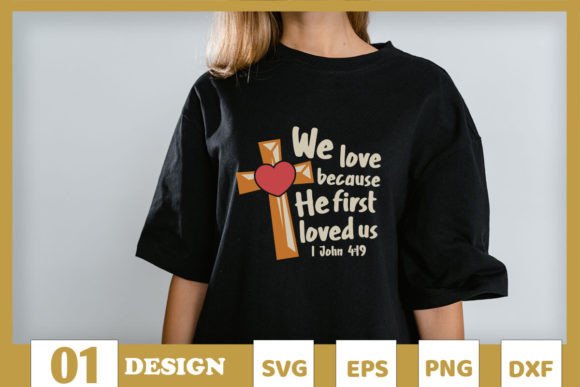
The immediate impact of Jesus We Love Because He Loved Us is its emotional resonance. The typography and layout suggest a design meant to be worn close to the heart, quite literally. Visually, the composition balances well, avoiding the common pitfall of overcrowding text which often leads to registration issues in machine embroidery design. The flow of the letters feels organic, suggesting that when converted to a stitch file, the running stitch and fill stitch areas will distribute evenly across the hoop.
I appreciate that the design comes as part of the Digital Design Essentials suite, including SVG, PNG, and DXF formats. For a craft business owner, having these options means you can adapt the artwork for different applications. However, as a reviewer, I know that the visual appeal on a monitor does not guarantee stitching success. The true test lies in how the design interacts with fabric texture and how the stitch density handles the curves of the script.
A Real-World Scenario: The Custom Tote Bag Project
To truly evaluate this asset, I imagined a specific client request. A local boutique wanted to launch a line of eco-friendly canvas tote bags featuring faith-based messages for their holiday season. They chose Jesus We Love Because He Loved Us for the front panel. In this scenario, the design needs to stand out against the natural beige of the canvas while maintaining legibility from a distance.
When visualizing this tote bag design, the pre-sized nature of the file is a significant advantage. It eliminates hours of scaling adjustments in my design application, reducing the risk of distorting the letterforms. However, canvas is a textured surface. If the embroidery file relies too heavily on fine details or thin lines, the thread colors might get lost in the weave of the fabric. For this project, I would likely recommend using a slightly thicker thread weight or adjusting the fill stitch pattern to ensure the message pops without looking muddy.
This kind of thoughtful adaptation is what separates a hobbyist from a professional Etsy seller. Customers buying these bags expect a personalized gift that feels premium. If the stitching is sloppy or the design looks stretched, it damages the brand's reputation. With Jesus We Love Because He Loved Us, the clarity of the original graphic suggests it will translate well, provided the digitizer respects the negative space between the words.
Navigating Fabric Challenges and Hoop Constraints
While the design is versatile, there are specific situations where caution is required. If you plan to use this for custom apparel like fitted t-shirts, the stretch of the fabric can distort the text during the hooping process. I always advise testing the design on scrap fabric first to see how the tension affects the shape of the letters. Similarly, for caps or curved surfaces, the curvature can cause the bottom row of text to compress. You must check whether the design works for both personal and commercial projects before committing to a large run.
Hoop size is another critical factor. Although the file is pre-sized, you need to confirm it fits within your machine's maximum area. If you attempt to force a large version of Jesus We Love Because He Loved Us into a small hoop, you risk breaking needles or damaging the fabric. Additionally, on dark fabrics, the lack of a built-in backing fill in the design file means you will need to manually add a satin stitch border or a dense fill underneath to prevent the black threads from showing through lighter lettering.
For items like pillow covers or aprons, the stability of the material is generally better, allowing for more intricate applique design techniques if you choose to layer fabric behind the text. However, for kitchen towels or items that require frequent washing, the stitch density must be balanced. Too much thread can make the fabric stiff and prone to cracking after several wash cycles. Always inspect small details and test it in black and white mockups to ensure contrast remains effective even without color.
Professional Standards and Commercial Viability
From a business perspective, the quality of your design assets directly impacts buyer engagement and customer trust. A clean, well-executed version of Jesus We Love Because He Loved Us elevates a simple small shop product into a statement piece. It signals professionalism and care, which are essential for building a loyal following in the handmade community.
However, as a digital product seller or someone creating commercial embroidery goods, you must verify licensing terms. While the description mentions the files are ready to go, you need to confirm whether selling the finished embroidered items is permitted under the specific license you purchased. Do not assume. Check the documentation to avoid legal issues down the road.
Furthermore, consider the versatility of the format. The inclusion of a high-definition PNG with a transparent backdrop is excellent for creating printable mockups to showcase your work online. These visuals help potential buyers visualize the finished product before they commit to purchasing. But remember, the mockup is only as good as the actual stitch-out. Always compare light and dark fabric backgrounds to ensure the design maintains its integrity across different materials.
Final Designer Notes for Success
If you decide to incorporate Jesus We Love Because He Loved Us into your next project, follow these practical steps to ensure the best results:
- Test on Scrap Fabric: Never skip the test run. Stitch the design on a swatch of the actual fabric you plan to use to check for puckering or thread breakage.
- Use Proper Stabilizer: The right stabilizer is non-negotiable. For T-Shirt Designs, a tear-away or cut-away stabilizer depending on the fabric weight will keep the letters crisp.
- Review Thread Contrast: Ensure your chosen thread colors provide enough contrast against the fabric. A subtle design can become invisible if the colors blend too much.
- Check Small Details: Zoom in on the final stitch-out. Tiny serifs or connecting points in the text can easily get lost or merge if the digitization is too aggressive.
- Confirm Licensing: Before listing your items on Etsy or at a craft fair, double-check that your usage rights cover the sale of physical goods.
In conclusion, Jesus We Love Because He Loved Us offers a strong foundation for meaningful embroidery projects. Its clear layout and emotional weight make it a standout choice for holiday gifts, wedding gifts, and everyday wearables. By approaching the design with a critical eye and respecting the technical requirements of embroidery, you can create a handmade product that not only looks beautiful but also stands the test of time. Whether you are decorating a single embroidered patch or launching a full collection, this design has the potential to resonate deeply with your customers when executed with care.