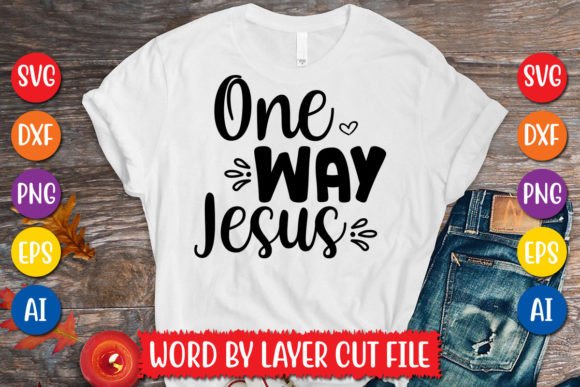
One Way Jesus SVG Design: A Designer's Review
As a designer who has spent years navigating the intersection of digital graphics and physical thread, I approach every new asset with a critical eye. When I first opened the One Way Jesus SVG Design, my immediate goal was to determine if this graphic could survive the transition from a screen to a hoop. In the world of machine embroidery design, a beautiful vector file is only half the battle; the real test lies in how it stitches out on fabric. This review breaks down my practical assessment of using this specific Graphics asset for real-world projects.
First Impressions: Mood and Visual Weight
The initial view of the One Way Jesus SVG Design reveals a bold, straightforward aesthetic. The typography is the hero here, creating a strong visual anchor that demands attention. For an Etsy seller or a boutique owner looking to create statement pieces, the layout offers a clean silhouette that translates well into a fill stitch pattern. The mood is confident and declarative, which fits perfectly within the current trend of faith-based T-Shirt Designs. However, as a professional, I immediately noted the importance of line weight. Thinner lines in the lettering can sometimes struggle with high-density stitching, potentially leading to gaps or puckering if not adjusted correctly.
The layered structure mentioned in the product description—specifically the "word by layer" organization—is a significant advantage. It allows for flexibility in color placement, enabling me to experiment with different thread colors without starting from scratch. Whether I am aiming for a subtle tonal look or a high-contrast pop, having these layers separated in the Adobe Illustrator file gives me the control needed for a polished finished product.
Real-Life Application: From File to Fabric
To truly evaluate the One Way Jesus SVG Design, I imagined a specific scenario: preparing a custom embroidered tote bag for a local church event. Tote bags are a staple for craft business owners because they offer a large canvas, but they also present challenges due to their textured weave. In this context, the design's clarity becomes paramount. If the design were too intricate, the texture of the canvas would swallow the details. Fortunately, the bold nature of this embroidery file suggests it would stand up well against the grain of a sturdy cotton tote.
I also considered its use on a heavyweight sweatshirt. Sweatshirt embroidery requires careful management of stitch density to prevent the fabric from pulling or warping. With the One Way Jesus SVG Design, the solid areas of the letters are ideal for a dense fill, while the negative space allows the fabric to breathe. This balance is crucial for maintaining the drape of the garment. For a small shop product like a holiday gift or a personalized item, the ability to place this design prominently on the chest or back ensures it remains legible and impactful.
For those interested in baby embroidery or nursery decor, the message carries a gentle yet powerful sentiment. Imagine this design stitched onto a soft pillow cover or a blanket edge. Here, the choice of stabilizer becomes even more critical. Using a cut-away stabilizer would provide the necessary support for the running stitch outlines and fill areas, ensuring the design lays flat against the delicate fabric.
Navigating Challenges: Where Caution Is Needed
While the One Way Jesus SVG Design is versatile, there are specific situations where I would advise caution. Small hoop sizes are a potential pitfall. If you attempt to fit the entire phrase into a 4x4 inch hoop, the lettering may become cramped, and the machine might struggle with the sharp corners. In such cases, breaking the design into segments or scaling it up for a larger hoop is essential to maintain quality.
Textured fabrics like denim or thick fleece can also pose issues. The uneven surface can cause the needle to skip or the thread to break, especially in areas with tight turns. Similarly, stretchy fabrics require extra stabilization. Without the proper backing, the tension from the satin stitch edges could cause the design to pucker over time. Dark fabrics are another consideration; achieving good contrast will likely require a white underlay stitch before applying the top thread colors. Always test the design on scrap fabric first to see how the light interacts with the stitching.
Detailed corners and tiny lettering are often the weak points in any digital embroidery file. While the One Way Jesus SVG Design appears robust, zooming in on the vector file is necessary to check for any extremely thin lines that might disappear when converted to stitches. Additionally, products that undergo frequent washing, such as kitchen towels or aprons, need a design that is anchored securely. A loose thread or poor density can lead to fraying after just a few cycles.
Enhancing Value and Professionalism
Using a well-executed design like this one directly impacts the perceived value of your handmade product. Customers trust brands that deliver consistent quality. When the One Way Jesus SVG Design is stitched cleanly with appropriate hoop size and tension, it elevates a simple t-shirt into a premium piece of custom apparel. The visual appeal of crisp, even stitches builds buyer engagement and encourages repeat purchases.
For commercial embroidery projects, consistency is key. This design allows for uniform branding across multiple items, whether you are producing embroidered patches for a team or creating a line of holiday embroidery gifts. The ability to generate printable mockups from the vector file also helps in marketing. Showing potential customers exactly how the design looks on various garments builds confidence before they commit to buying.
Practical Notes for the Designer
Before committing to a production run, always conduct a test run. Stitch the One Way Jesus SVG Design on a piece of scrap fabric that matches your final project material. Check the thread color contrast to ensure readability. Review the stitch density settings in your software; sometimes reducing the density slightly prevents bulkiness on thicker fabrics. Confirm your hoop size accommodates the full width of the text without cutting off letters.
Inspect small details closely. Are the serifs on the letters clear? Do the curves flow smoothly? Test the design in black and white mockups to visualize the contrast against different background colors. Use the proper stabilizer for your fabric type—tear-away for stable knits, cut-away for stretchy materials. Finally, confirm licensing terms. While the download includes an AI file, ensure you have the rights to sell finished items or distribute the digital assets if you plan to expand your design assets library.
In conclusion, the One Way Jesus SVG Design offers a solid foundation for a variety of embroidery project types. Its bold style and layered structure make it a practical choice for designers who value both aesthetics and functionality. By paying attention to fabric choices, stabilization, and testing, you can turn this Graphics file into a standout feature of your craft business portfolio.